Förstå nylon solskyddsmedel för utomhusskydd
 2026.05.22
 Branschnyheter
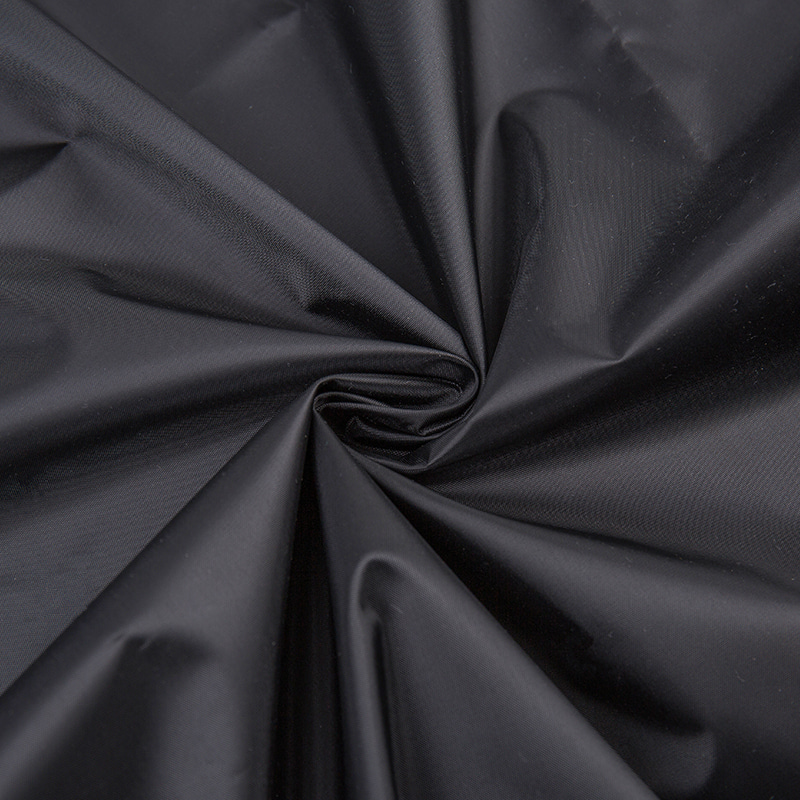
När du väljer material för utomhussolskydd, solskyddsmedel i nylon levererar konsekvent UPF 30-50 betyg, blockerar minst 96 % av UVA/UVB-strålar. Till skillnad från bomulls- eller polyesterblandningar som bryts ned snabbare i solljus, behåller nylon sin UV-blockerande integritet under 2-3 säsonger av regelbunden användning utomhus. Dess kombination av lätt struktur, mekanisk styrka och fuktbeständighet gör den till det föredragna valet för prestationsorienterat solskydd - från vandringsparaplyer till strandskydd.
Nylons molekylära struktur absorberar och sprider naturligt ultraviolett strålning. När de är konstruerade specifikt för solskyddstillämpningar, förbättrar tillverkare denna egenskap genom tre mekanismer:
Tät vävtäthet — Ett typiskt solskyddsmedel i nylon har 300-600 trådantal per kvadrattum, vilket skapar mikroskopiska mellanrum som är mindre än 280 nm, vilket fysiskt blockerar UV-ljus. UV-absorberande tillsatser integreras vid fibersträngsprutning, ofta titandioxid eller organiska föreningar som omvandlar UV till ofarlig värme. Reflekterande beläggningar på tygytan studsar ytterligare tillbaka upp till 35 % av infallande UV-strålning.
Testdata visar att obehandlad nylon endast erbjuder UPF 15-20, men specialiserat solskyddsmedel i nylon uppnår UPF 50 efter behandling, vilket blockerar 98 % av UV-strålningen även efter 100 timmars accelererad exponering för solljus (motsvarande 2 månaders daglig användning utomhus).
För att förstå nylonsolskyddsmedel måste man titta på tre mätbara egenskaper. Tabellen nedan sammanfattar industristandarder för material av utomhuskvalitet:
UV-skyddsfaktor (UPF) — Minsta UPF 30 för "bra skydd", UPF 50 för "utmärkt". Nylon solskyddsmedel uppfyller konsekvent UPF 40-50 när det är märkt för utomhusbruk.
Luftpermeabilitet — Mätt i CFM (kubikfot per minut). Effektiva soltyger balanserar 10-30 CFM : tillräckligt låg för att blockera UV, tillräckligt hög för att förhindra värmeuppbyggnad.
Draghållfasthet — Efter 500 timmars UV-exponering sitter nylon kvar 85-90 % av original rivstyrka , jämfört med polyester (70-75%) och bomull (50-60%).
Vattenbeständighet — Hydrostatisk tryckhöjd på 800-1500 mm är typiskt för väderbeständiga solskyddstyger i nylon, vilket tillåter lätt regnskydd utan att offra andningsförmågan.
Att välja rätt tyg beror på din specifika utomhusaktivitet. Så här jämför nylon direkt med vanliga alternativ:
Nylon vs. Polyester – Nylon är 20-30% starkare i rivhållfasthet när det är vått, vilket gör det bättre för fuktiga eller kustnära miljöer. Polyester torkar något snabbare men bryts ned snabbare under intensiv UV (förlorar UPF-effektiviteten efter 6 månader jämfört med nylons 12-18 månader).
Nylon mot bomull — Bomull har UPF 5-15 när den är torr, sjunker till UPF 3-8 när den är våt. Nylon solskyddsmedel bibehåller UPF 50 oavsett fukt. Bomull absorberar 25 gånger sin vikt i vatten — nylon absorberar mindre än 4 %, vilket förhindrar både värmeförlust och UV-nedbrytning.
Nylon vs Mesh/Fishnet — Standardnät ger noll UV-skydd (UPF 2-5). Nylon solskyddsmedel ger högt skydd samtidigt som det behålls 15-25% öppenhet för ventilation , idealisk för baldakinsidoväggar eller ryggsäcksparaplyer.
Nylon vs. Polyeten (Skuggduk) — Polyeten är lättare men går lätt sönder. Nylon har 3x högre nötningsbeständighet och överlever upprepad vikning och utfällning - avgörande för bärbara solskydd och strandtält.
Den unika kombinationen av UV-blockering, styrka och låg fuktabsorption gör solskyddstyget i nylon lämpligt för specifika utomhusscenarier:
Backpacking paraplyer — Vägning 180–250 g/m² (GSM) , nylon parasoller ger UPF 50 skugga under vandring, vilket minskar exponeringen av huden med 97 % på axlar och nacke.
Strand- och campingtak — Nylons 800-1500 mm vattenhuvud står emot morgondagg och lätt regn, medan dubbel-ripstop-väv förhindrar tårutbredning från vindpåfrestningar.
Damasker och solärmar — Fyrvägsstretch nylon (blandat med 10-20 % spandex) erbjuder UPF 50 med 30% förlängning , som tillåter full rörelse under klättring eller traillöpning.
Ultralätta presenningar och bivysäckar — 30-40D nylontyger uppnår UPF 40 på precis 35-50 g/m² , ersätter tyngre polyester presenningar för högalpint solskydd.
Trädgårdsskuggstrukturer — UV-stabiliserad nylon motstår sprödhet för 3-5 års säsongsanvändning , överträffande polypropenduk som ofta spricker efter 2 år.
Inte alla nylonmärkta "solskyddsmedel" eller "UV-skydd" fungerar lika bra. Använd dessa verifieringssteg innan exponering utomhus:
Kontrollera UPF-etiketten — Legitima solskyddsmedel i nylon kommer att ha en UPF-klassificering (30, 40, 50 ) testad enligt AATCC 183 eller AS/NZS 4399 standarder. Undvik vaga termer som "UV-beständig" utan siffror.
Utför ett ljustest — Håll tyget direkt under en ljus ficklampa i ett mörkt rum. Om du ser tydliga ljuspunkter (inte diffust sken), är väven för lös – eventuella synliga nålhål minskar UPF med 40-60 %.
Sträck försiktigt — Blandningar med hög spandex (över 15 %) kan tunna ut tygmatrisen och sänka UPF. När den sträcks 20 % kan den effektiva UPF sjunka från 50 till 25-30.
Riktlinjer för underhåll — Maskintvätt kallt med milt rengöringsmedel. Undvik sköljmedel och blekmedel – de tar bort UV-absorberande beläggningar. Lufttorka eller torktumla låg; hög värme (>140°F/60°C) bryter ned nylonfibrer och minskar UPF permanent. Efter 30-40 tvättar, förvänta dig en gradvis minskning av UPF med en klassificeringsnivå (t.ex. 50 till 40).
Trots sina styrkor har solskyddsmedel av nylon specifika nackdelar. I miljöer med hög värme över 35°C (95°F) kan mörkfärgad nylon absorbera värme och bli obekväm mot huden - välj ljusare färger (vit, beige, silver) för att reflektera 60-70 % av solvärmen. För stilla, fuktiga förhållanden utan vind känns nylon varmare än bomullsnät på grund av dess lägre luftgenomsläpplighet. Dessutom är obehandlad nylon mycket brandfarligt (antändningspunkt ~450°F/232°C); om det används nära lägereldar eller spisar, se till att tyget har en flamskyddande tillsats (FR-klassning).
För aktiviteter som kräver kylning (ökenvandring över 43°C) kan ett löst vävt polyesternät med UPF 30 erbjuda bättre värmeavledning, men till priset av lägre UV-skydd och hållbarhet.

Canxing Textile Building, No.458Dongxin Road, Shengze Town, Wujiang District, Suzhou City, Jiangsu Province, China

+86-18816291909

+86-512-63620515


Copyright © Wujiang Canxing Textile Co, .ltd. Rights Reserved. Anpassade elastiska vävda tygstillverkare
Privatliv 苏公网安备 32050902101422